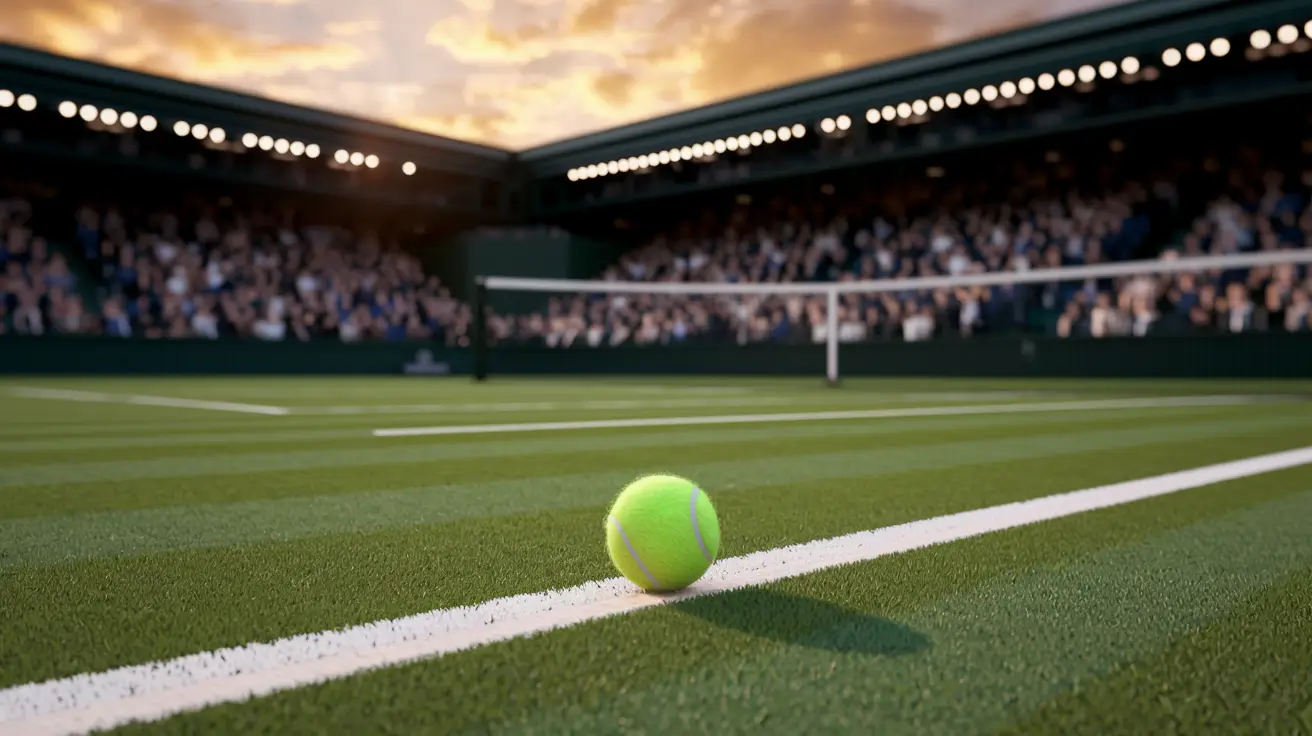
Tennis isn’t just about power and precision—it’s also about adapting to different playing surfaces. Each type of court brings its own set of challenges and advantages, influencing everything from ball speed to player movement. In this post, we’ll dive into the unique characteristics of grass, clay, and hard courts and explore how they shape your game.
Grass Courts: Fast and Unforgiving
Grass courts are the traditional battlegrounds of tennis, famously hosting events like Wimbledon. They offer a fast-paced playing style, with the ball skidding and often producing unpredictable bounces. Here’s what you need to know:
- Speed and Bounce: The low bounce on grass courts means that players must be quick on their feet. Serve-and-volley tactics are common because the fast surface rewards aggressive play.
- Movement: The slippery nature of grass requires players to have excellent balance and agility. Sliding into shots is rare, so clean footwork is key.
- Tactics: Quick reflexes and fast decision-making are essential. Players who can adapt to changing conditions and unpredictable bounces often find success on grass.
Clay Courts: A Test of Endurance and Strategy
Clay courts, seen in tournaments like the French Open, slow down the game significantly. The high bounce and heavy topspin become defining features on this surface.
- Speed and Bounce: Clay courts slow down the ball, allowing for longer rallies. The high bounce encourages heavy topspin, making it easier for players to control the ball.
- Movement: Movement on clay involves sliding into shots—a skill that’s almost a necessity. Mastering slide techniques can greatly enhance your defensive capabilities.
- Tactics: Patience is the name of the game. Baseline rallies are common, and strategic point construction becomes crucial. Players who excel on clay often possess stamina and exceptional court coverage.
Hard Courts: A Balanced Battlefield
Hard courts provide a middle ground between the speed of grass and the endurance demands of clay. They are widely used in many professional tournaments, including the US Open and the Australian Open.
- Speed and Bounce: Hard courts offer a consistent bounce that neither favors aggressive serves nor long baseline rallies excessively. This balance makes it a versatile surface for many playing styles.
- Movement: While there’s less sliding compared to clay, players still need good footwork to adjust quickly. Hard courts can be tough on the body, so conditioning and injury prevention are important.
- Tactics: Versatility is key on hard courts. The surface rewards players who can mix up their shots, combining both offensive and defensive strategies to outmaneuver their opponents.
Choosing Your Game: Adapting to the Surface
Understanding the unique traits of each court can dramatically improve your performance:
- Practice Specific Drills: Tailor your training to mimic the conditions of your upcoming tournament surface. For instance, work on quick reflexes for grass or sliding techniques for clay.
- Adapt Your Strategy: Know when to be aggressive or when to play it safe based on the surface. Flexibility in your game plan can give you the edge over opponents.
- Equipment Choices: Sometimes, even your racket string tension or shoe type might need adjusting to optimize your performance on different surfaces.
Conclusion
Whether you’re a grass court specialist, a clay connoisseur, or a hard court all-rounder, each surface demands its own style of play and strategic adjustments. By understanding and embracing the nuances of these playing environments, you can elevate your game and be better prepared for any challenge that comes your way on the court.